
Plant Free Native Trees | Protect NY Drinking Water
Native trees and plants are vital for the health of our water, soil, and air in New York, which is one of many reasons we love partnering with the Watershed Agricultural Council (WAC) to give them away for free to our neighbors in the New York Watershed Area. The WAC is a non-profit organization that helps landowners understand their property and protect it, in turn protecting all of our drinking water.
Free Native Trees Program—Yeah, For You!
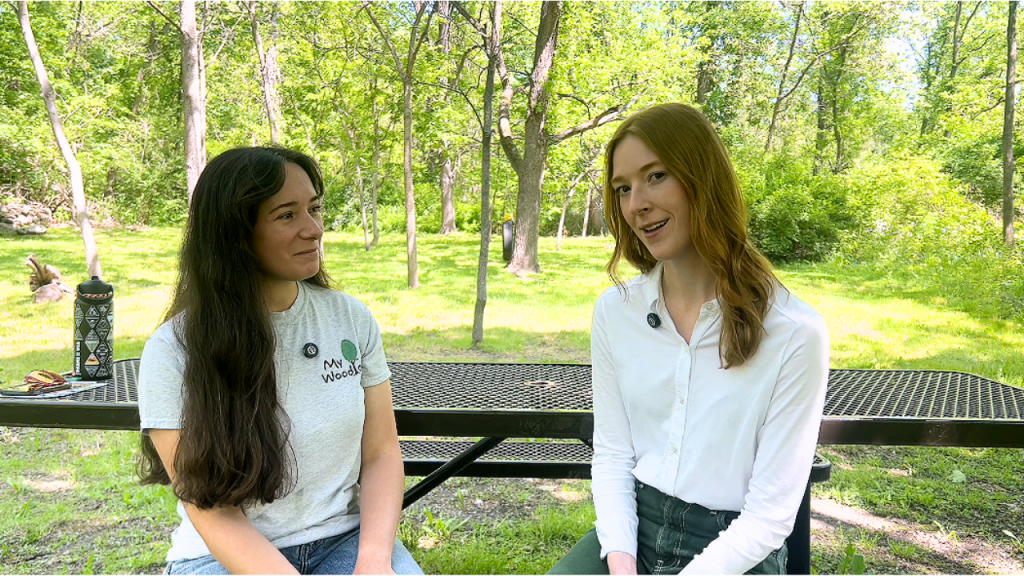
Bedford 2030 has planted 239 trees and shrubs in our community in the last year through our collaboration with the WAC’s program. Grace Gilmore, Communications Administrator at Bedford 2030, sat with Jessica Alba of the WAC to discuss this amazing program.
Grace Gilmore, Bedford 2030: WAC has this amazing program that provides free trees, a minimum of five, to anyone who lives in the New York City Watershed area. Why are native trees so important that you would be willing to give them away for free?
Jessica Alba, WAC: Native trees are critical for a healthy forest ecosystem, and a healthy forest ecosystem is really important for clean drinking water. Forests are a primary water filter, and they protect the water from erosion, which can then leach excess nutrients into the water, and other kinds of pollution that we don’t want to see in the water we’re drinking. Most of New York City’s drinking water, in the Catskill Mountains in particular, is only filtered by forests. So trees are vital. We want healthy trees if we want clean drinking water.
What’s the Dirt on Native Plants, Anyway?
GG: If I were to plant five native shrubs, trees, or plants on my property, what benefits would I see?
JA: You would benefit from knowing that you did something to help your local ecosystem, which is very rewarding in and of itself. Native plants provide a lot of beauty to our landscape, and it’s beauty that we don’t often see because they are so smothered and repressed in our own environment. So there are a lot of beautiful flowering shrubs and trees, trees with really interesting bark that add a lot of winter landscape appeal when there are no leaves or flowers on the trees. And you would also see an increase in wildlife and biodiversity on your own property. Native trees provide food for caterpillars, which in turn are food for baby birds. You need thousands of caterpillars to take one bird from a hatchling to an adult, and native trees are the best for giving our insects a food source.
“If your neighbor participates, you participate, and the person next door participates—you might not know one another, you might not see each other's plants—but now the birds have multiple stopping points on their migration. Now there are more places for all these butterflies and moths to lay their eggs, and it all adds up.”
Jessica Alba, Watershed Agricultural Council
Erasing Erosion at Bedford Hills Memorial Park—New Trees!
GG: You recently met with Midge Iorio, Program Director at Bedford 2030, and planted some trees at Bedford Hills Memorial Park. What was that process like, and what trees did you pick?
JA: The town was interested in adding trees. There’s a pond there, and there’s a playground right nearby, so they don’t want that land eroding away and compromising the space that people are playing and recreating in. We planted some trees along that pond, including eastern red cedars, that are growing very nicely there. We also added in some winter berries, which are a large understory woody shrub that will produce red berries, which birds love in the fall. It’s a great substitute for Japanese Barbary. If you’ve got that on your property and you like the red berries, this is a native alternative that provides that same color fruit.
Westchester Looks Lush, But We Still Need More Trees—Here’s Why:
GG: We have a lot of trees in Westchester. Why do we need more? And why do they have to be native trees?
JA: A few things impact forest regeneration, meaning when bigger trees die, younger trees should be growing up to replace them in the understory. That’s not always happening, especially in Westchester, for a few reasons. We have invasive species that are out-competing native species; we have climate change impacting heat, humidity, and water in our environment, which can stress native plants. We also have heavy deer browse. Deer move through the forest understory and chomp down baby trees before they can make it up to the mid-story or overstory level. We have a lot of invasive species that make you think our environment is greener than it is. Some refer to this as the “green lie” or “green blindness”. You’re driving down the highway, and it looks so green and lush, but what you’re actually seeing is a lot of bittersweet vine that’s smothering our trees, or Japanese barberry that is out-competing our native understory plants.
Jessica’s Top Tree Care Tip
JA: The number one tip is to keep an eye on them. Don’t set it and forget it. They’re going to need your help. We have all those environmental stressors that could be impacting their health. For example, if we’re in another drought like we were this past fall, you have to water your trees. Normally, they don’t need too much water because they’re native to our ecosystems. They’re adapted to our climate. But when we have climate change impacts in our own environment, we have to supplement what nature is lacking. Monitoring for any disease is critical. You can catch something early on and remediate it from the tree. Maintaining deer protection materials is important. Trees go into tree tubes, and your plants will get a ring of fencing around them. Over time, they could be knocked over after ice storms and blowdowns. If it falls down with the tree inside, it could be detrimental to its health. You want to make sure you’re propping those up, letting the tree grow happy and healthy as best you can.
GG: Don’t set it and forget it. They’re your new members of the family. You’ve got to keep an eye out for them and make sure they’re succeeding. It’s kind of like adopting a tree.
Tree Matchmaking? It’s Adorable.
GG: Based on my vibe, I would love to know what the perfect native tree species is for me.
JA: I’m gonna say an Eastern red cedar. It’s an early successional tree. It likes to be in the sun. It likes it to be a little bit hotter and drier. So a sandier, beachy vibe because it likes the open space. Your hair color beautifully matches the reddish inner bark that the cedar gives. And it’s got these beautiful little blueberries that it fruits with. I’m getting Eastern red cedar vibes.
Olivia “Liv” Hamelin, New Program Administrator at Bedford 2030: What tree would you match me with?
JA: I get sugar maple vibes from you. We don’t work at the same organization right now, but I’ve had the pleasure of working with you in the past [when Liv interned at the WAC]. I know firsthand how sweet and how sturdy and strong you are, and that’s what I think of when I think of sugar maples. We get this wonderfully sweet sap from them that we turn into syrup. They’re such independent and capable growers. They’re strong wood. They grow all up and down the Hudson Valley. I know you’ve lived up and down the Hudson Valley, so I’m getting sugar maple vibes.
The Adoption Application Process—Jess Makes It Easy
The Adoption Application Process—Jess Makes It Easy
Here’s the process, from application to roots in the ground:
2. Get a free site visit
"I'll come to your property, walk your land, and talk about what I see. You can tell me about any challenges or issues you're facing, and we can brainstorm some solutions. I'm looking to see if your property is a good space for new trees. Do you have sunlight reaching the ground so the trees can grow? Do you have water access? What's the soil like? That'll help me determine how many trees we could add to your property and what species. "
Jessica Alba, Watershed Agricultural Council
- Complete the native plant adoption form to let Jessica know how many trees and shrubs you’d like and what you hope to accomplish on your property.
- Pick up the trees this fall, plant, and nurture your new nature! (Psst: We do this every Spring and Fall, so look out for the opportunities to sign up each season.)
Check to see if you’re eligible!
You are? That’s great! Please fill out this form for your free site visit (and a spirit tree matchmaking session if you ask!)

We ❤️Jessica Alba—Learn More About Her:
Jessica Alba is the Watershed Forest Stewardship Educator at the Watershed Agricultural Council. Her job involves educating forest landowners on how they can maintain their property for the betterment of water quality and meet their landowner goals, whatever those might be. Jessica also helps out with school-based education programs, which bring students up from New York City into their drinking water watershed so they can see the reservoirs that hold their water and learn about the forests that help protect it. She rocks, and so will your property if you talk to her about free native trees and shrubs!