
Your Planet’s Future, According to Congress
H.R. 1 and Energy Upgrade Incentives—What You Need to Know
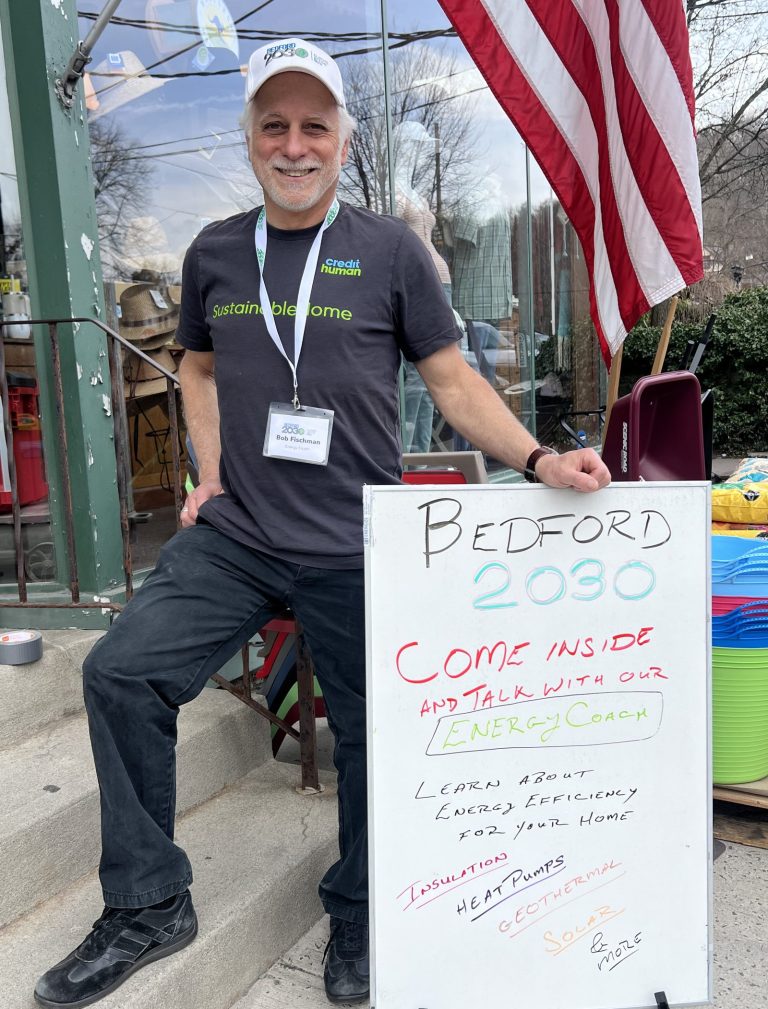
As Bedford 2030’s Energy Coach, I’ve been getting a lot of questions lately about H.R. 1, AKA the One Big, Beautiful Bill Act. Unless you’ve turned off all news and social media apps (maybe not such a bad idea?), you’ve probably heard about this bill. As its title implies, there’s an awful lot in there.
The President is expected to pass the bill on July 3rd. While there’s a lot packed into this legislation and amendments are still being introduced, I’m going to focus on the parts that will matter most to energy-conscious consumers like you.
Use It or Lose It—The Energy Tax Credits on the Chopping Block
Since this is neither a civics lesson nor a political column, what does this bill have to do with you? The Senate’s Budget Committee just issued its version (some 887 pages of light reading) with an entire subsection titled “Termination of Green New Deal Subsidies” that either eliminates or phases out funding and tax credits for the things that help you reduce your energy costs and lower your impact on our planet.
So, what’s at risk?
If H.R. 1 passes, several valuable tax credits created by the Inflation Reduction Act—to help you invest in energy efficiency and sustainability—could be eliminated within months. Here are some of the incentives many consumers, homeowners, and businesses have been counting on, and that are now in danger of being rolled back:
- Up to $1,200/year in tax credits for energy audits, insulation, and energy-efficient windows, skylights, or doors. Plus, up to $2,000 for installing a cold-climate air source heat pump or a heat pump water heater. Under H.R. 1, these home improvement credits would expire at the end of 2025. (Energy efficient home improvement credit)
- 30% tax credit for the cost of installing solar panels, solar water heating, battery storage, or a geothermal heat pump. If you want to take advantage of this credit, you’ll need to have a signed contract with a solar installer before October 1st, 2025 so that your system can be put in before the end of the year. (Residential clean energy credit)
- Up to $5,000 for building a new home that meets Energy Star and Net Zero Energy Ready standards. To qualify, your home must be built by the end of June next year. (New energy-efficient home credit)
- Up to $7,500 for purchasing a qualifying new electric vehicle (EV). This clean vehicle credit would disappear by the end of September 2025. (New clean vehicle credit)
- Up to $4,000 for buying a used electric vehicle that meets eligibility requirements. You’d need to make the purchase by the end of September 2025. (Previously-owned clean vehicle credit)
- Up to $1,000 for installing an EV charger at your home. This credit would expire at the end of June 2026. (Alternative fuel vehicle refueling property credit)
- Commercial energy-efficiency and renewable energy credits. There are a myriad of benefits that were created under the Inflation Reduction Act that will either be reduced, expire, or phase out sooner under this bill, so if you are a business owner, you’ll also want to act soon. The same goes for nonprofits and municipalities that may lose the elective pay tax credi
The Silver Lining: Energy Incentives in New York State
Does that spell the end of getting things done to lower your energy bills or save our planet? Heck no! Look, the truth of the matter is that any and all of these improvements will lower your expenses and make you more comfortable in your home. Sure, these improvements will take a bit longer to pay for themselves without tax credits, but they still do pay for themselves.
Meanwhile, there is other help along the way. New York State provides generous incentives in the form of rebates through NYSERDA and your electric utility. There are even state income tax credits for geothermal and solar panels. Many of these have recently been increased.
Ready, Set, Retrofit: Your Game Plan for Saving Energy
Here’s a strategy I recommend.
- Sign up for a free energy coaching session with me through Bedford 2030. We’ll develop a plan that suits your home and budget.
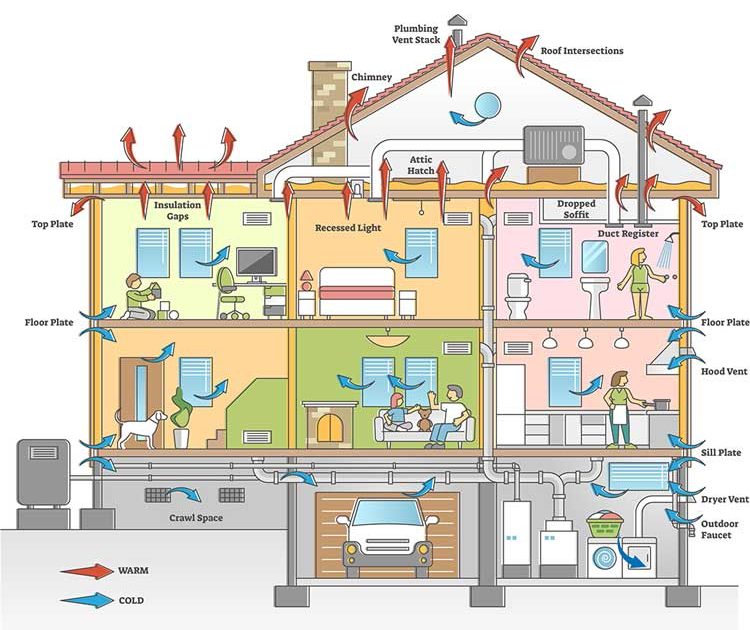
- Get an energy audit and find out where your home is leaking energy and where your energy dollars are leaking out of your wallet. Then seal it and insulate it. You’ll be more comfortable.
- We need to stop burning fossil fuels, such as oil, gas, and propane—installing a heat pump is usually my top recommendation. Heat pumps are less expensive to operate, and they offer a cleaner, healthier way to heat and cool your home. Consider replacing your inefficient boiler and air conditioner with either a geothermal or cold-climate air source heat pump. And get a heat pump water heater. Each of these will save you beaucoup energy bucks while you do your part to save the planet.
- Then, if you’ve got a roof that sees a good amount of sunlight, call up a reputable local solar installer and get solar power that will generate your own electricity to power it all. Need guidance? Meet with a free solar consultant with Sustainable Westchester’s Solarize program and get a personalized solar savings report. If your roof is too shaded or you’re a renter, sign up with a community solar provider to contribute to renewable solar energy in New York State (and save a few bucks on your bill).
- Get that EV and install a charger at your home. Want to know how your gas vehicle stacks up to an EV? Check out our free EV 2030 tool.
Your Home, Your Savings—Don’t Wait to Upgrade
Maybe it goes without saying, but I’ll say it anyway: the sooner you act, the better.
Yes, the clock may be ticking on some federal incentives, but the window to act is still open. And here in New York, utility, state, and nonprofit programs (like Bedford 2030’s Energy Coach!) are stepping up to help you cut costs, shrink your carbon footprint, and make your home future-ready.
So don’t wait. Whether or not Congress keeps the credits, the energy savings—and the climate wins—are still yours to claim.
—Bob Fischman, Bedford 2030 Energy Coach
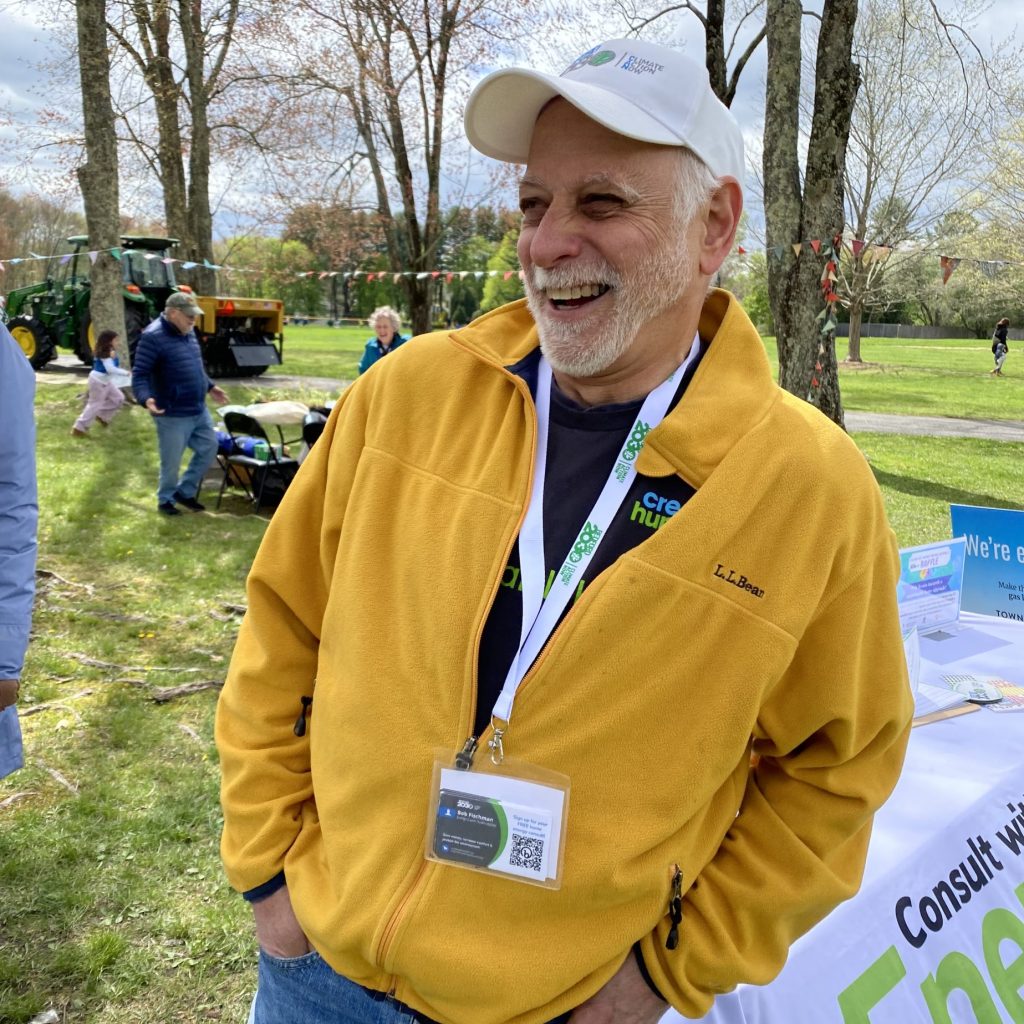
Bob Fischman brings expertise in clean energy finance, sustainable building and facility management practices, energy and water policy matters, and sustainable transportation systems to his role as Bedford 2030’s Energy Coach.
Bob devotes much of his time helping his own community move toward a more sustainable future, serving on Westchester County’s Climate Change Task Force and the sustainability advisory committees for his local school district and township, as well as acting as the founding principal of Sustainable Promise, LLC. He has a long history of helping businesses, nonprofits, communities, and individuals in their quest to proactively transition to a sustainable future.
All members of the community are invited to soak up Bob’s knowledge and guidance with a free Bedford 2030 Energy Coaching session.